A four-day ICEA-approved birth doula training. Two online evenings plus two full in-person days at FranU St. Francis Hall. Thirty-three contact hours; volunteer-track scholarships available.
Held at FranU St. Francis Hall, 5414 Brittany Drive, Baton Rouge, LA 70808.
Four days. Years of difference made. You will learn how to support a laboring mother through hours of contractions, how to read a hospital room, and how to be the steady voice that reminds a woman her birth is hers. The work is not glamorous. It is essential.
Hybrid: 2 online evenings, 2 in-person days at FranU St. Francis Hall, Baton Rouge
Late-July cohort in Baton Rouge.
No previous experience required. If you feel called to walk alongside families through pregnancy, birth, and the early weeks of parenthood, you belong here.
Stages and phases of labor, hormones, Six P's, ACOG active-labor thresholds.
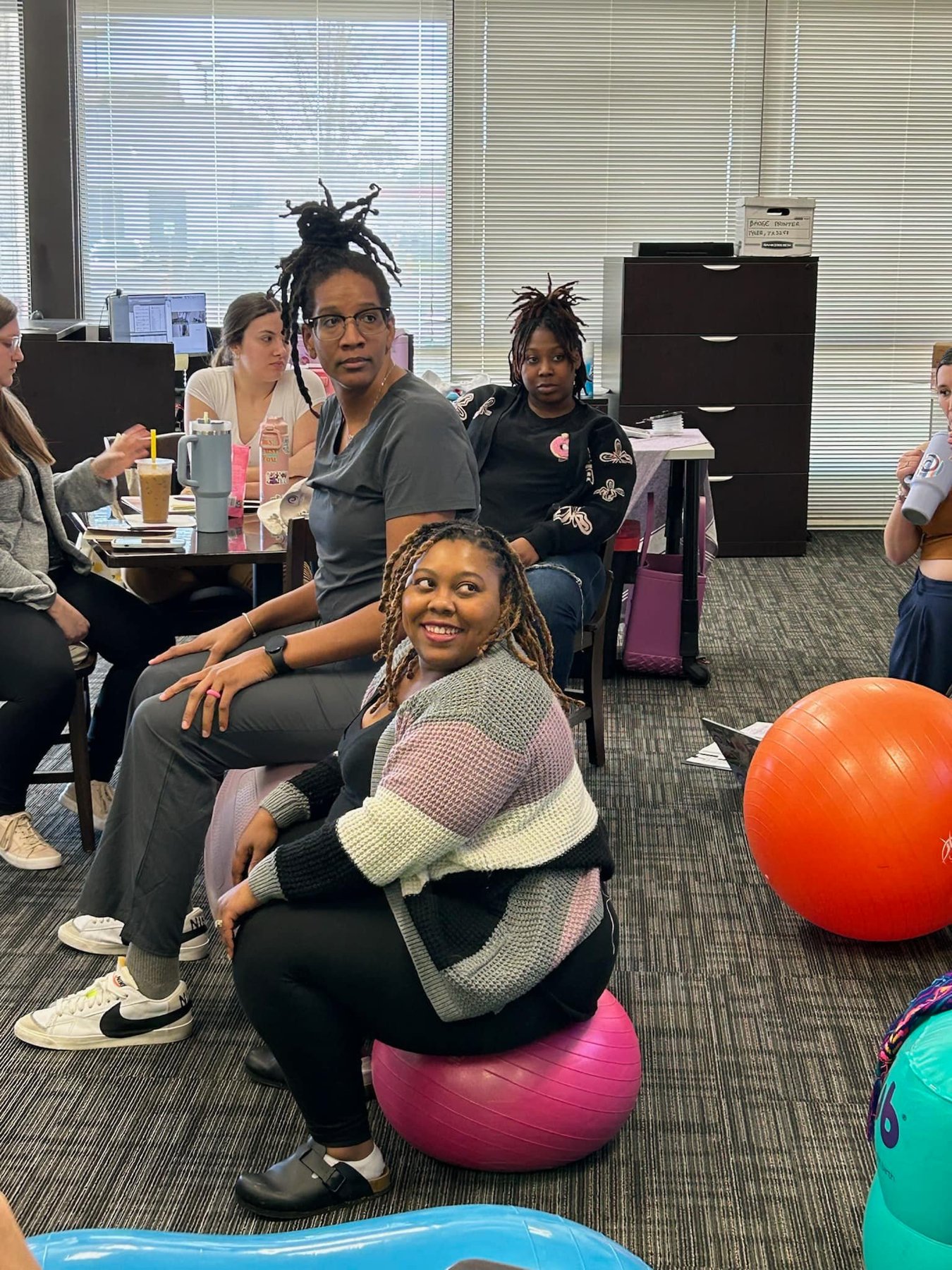
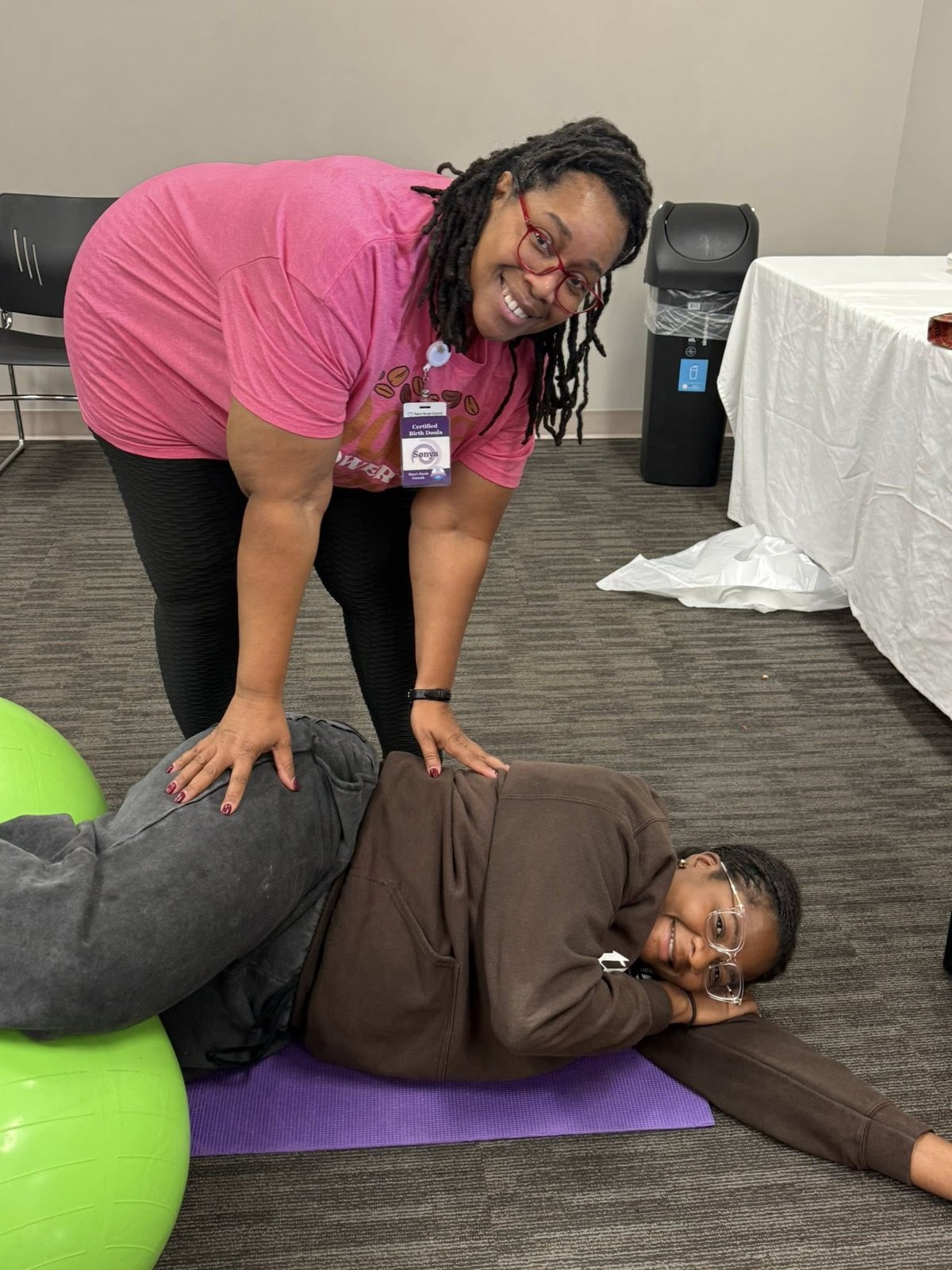
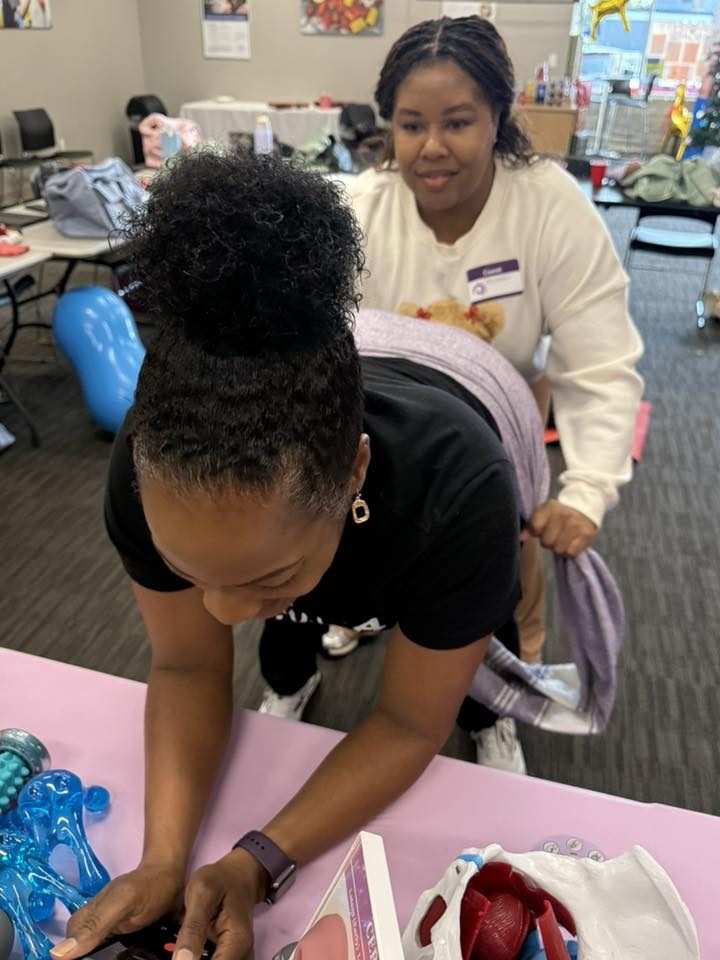
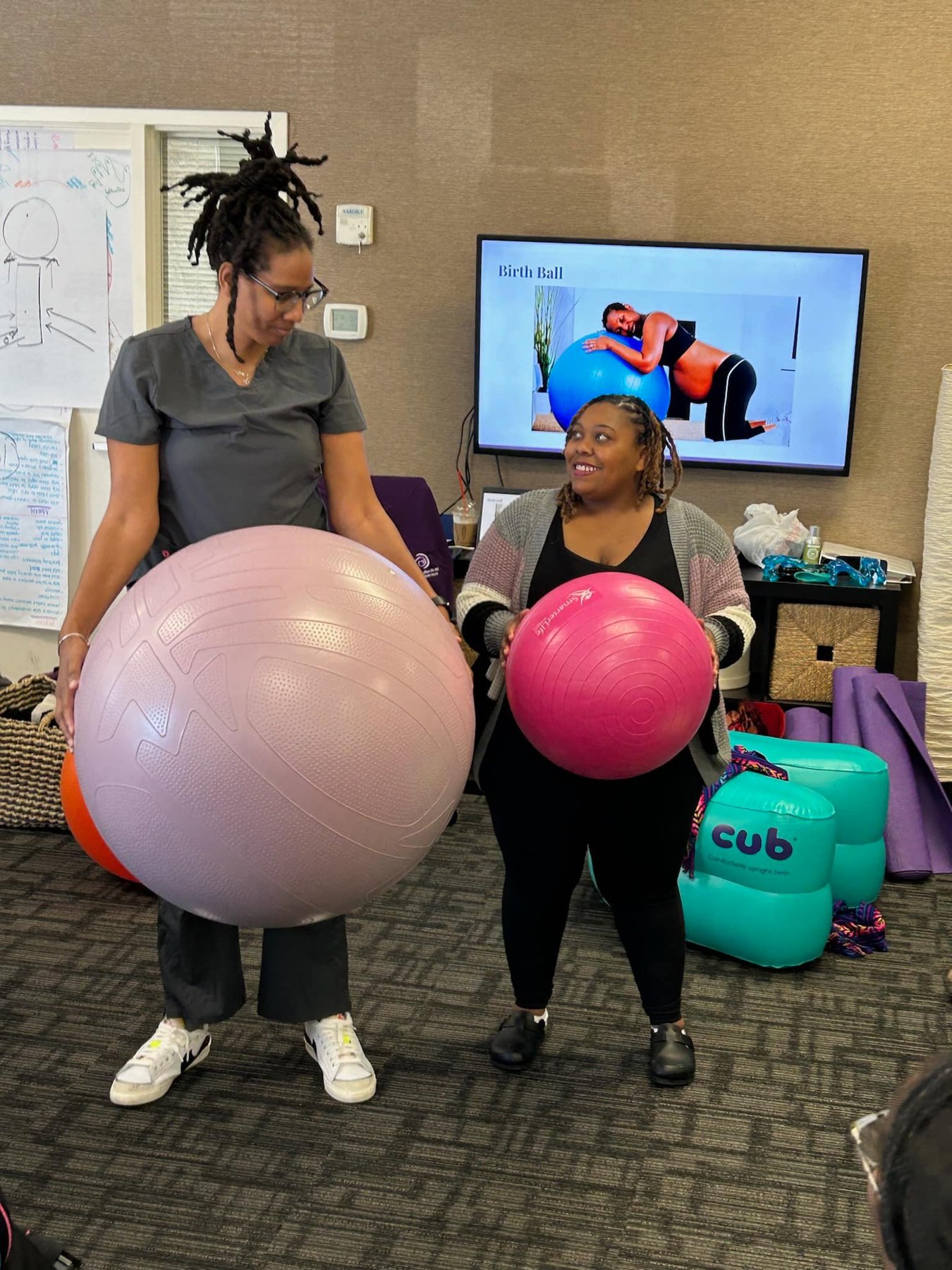
Counter-pressure, hip squeezes, rebozo, birth ball work, acupressure, water therapy.
Active listening, social determinants of health screening, BRAIN framework.
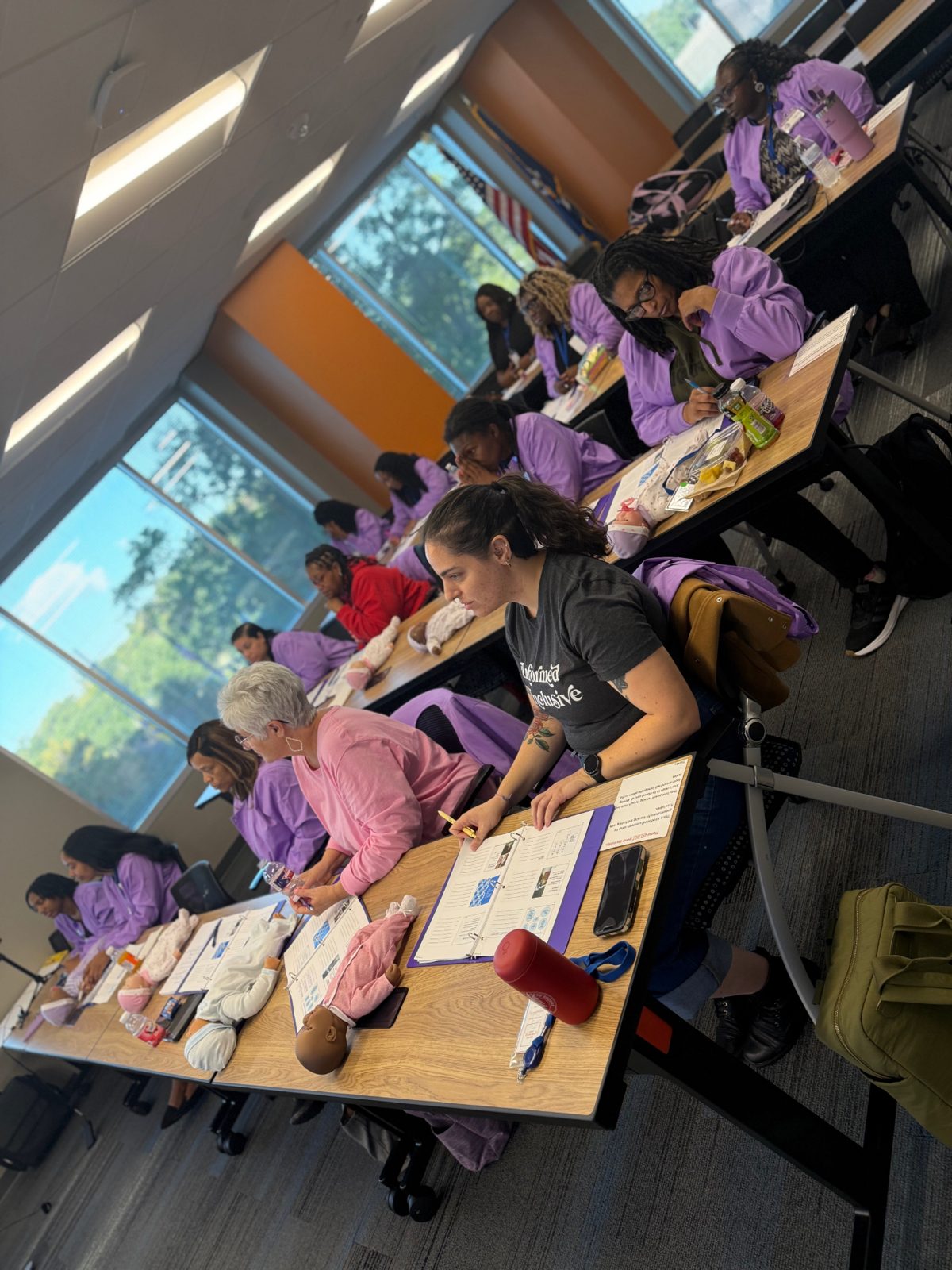
Diapering, paced bottle feeding, burping, rebath method, newborn massage.
Where the doula's role begins and ends. How to stay in your lane, gracefully.
Perinatal mood disorders, postpartum psychosis, trauma-informed escalation.
Why doulas keep coming back to Mary's Hands.
“The biggest take away I received from Mary's Hands would have to be learning how important your words can be. Learning that the birthing person's voice should be heard the loudest in the room. I feel like Mary's Hands really put into perspective for me that you are not the mom's voice; you're just there to make sure mom knows she has one. I think that is the most special thing and something I will always remember to keep center in my work as a doula.
An MHN Graduate
I enjoyed the role-plays where we played the mom, doula, or nurse. That activity really helped me to realize what kind of doula I'd like to be, and boosted my confidence in my abilities to soothe and support.
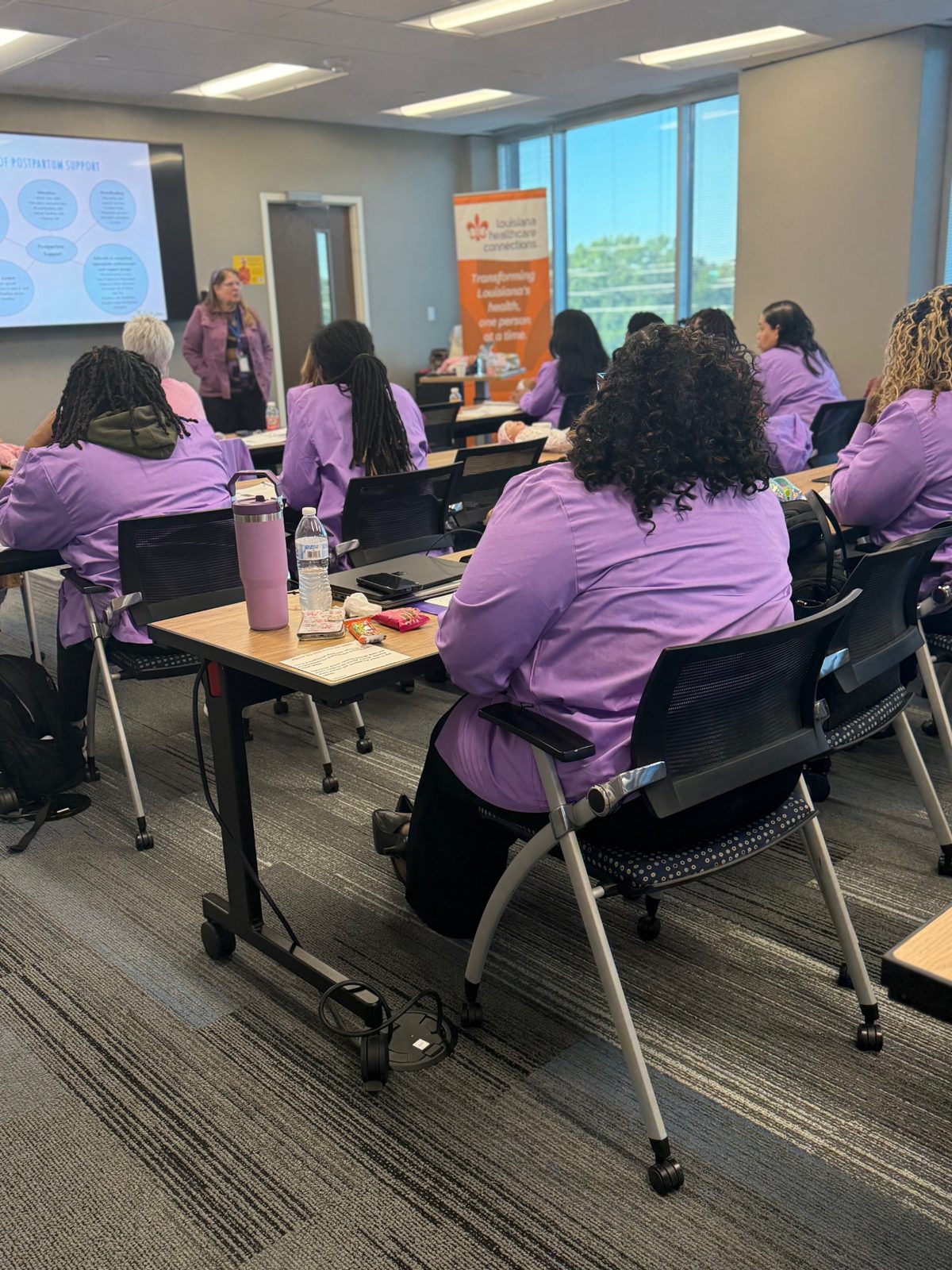
On the role-playsThe instructors were knowledgeable, approachable, and passionate. They explained concepts clearly and encouraged questions and discussion.
On the instructorsI enjoyed the hands-on portion of the class. It helped me automatically step into my role as a doula by imagining my peers as my clients.
On the hands-on practiceThis training reminded me how important it is to listen, support, and advocate for clients, especially when supporting people who may not always feel heard or supported in healthcare settings.
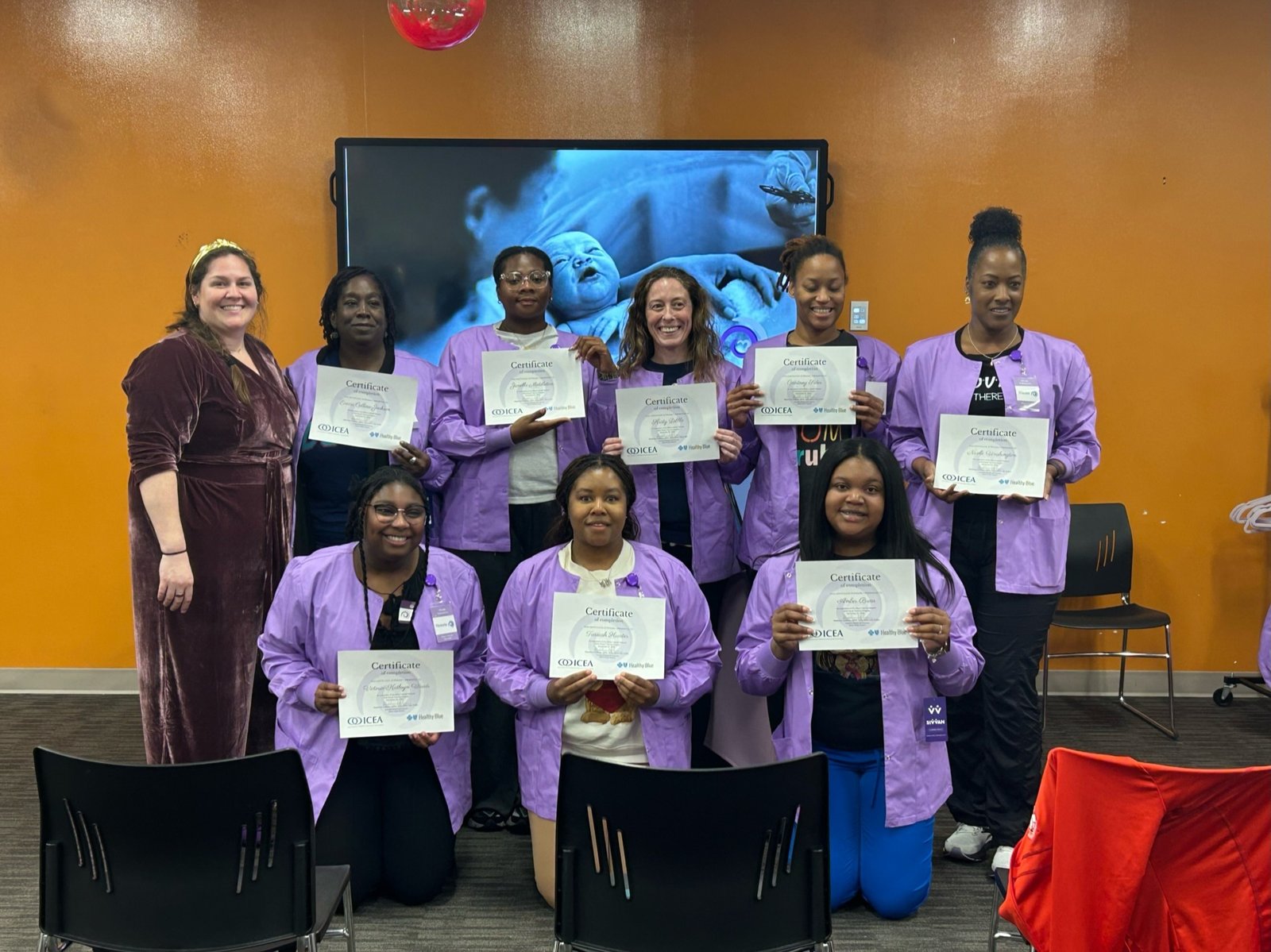
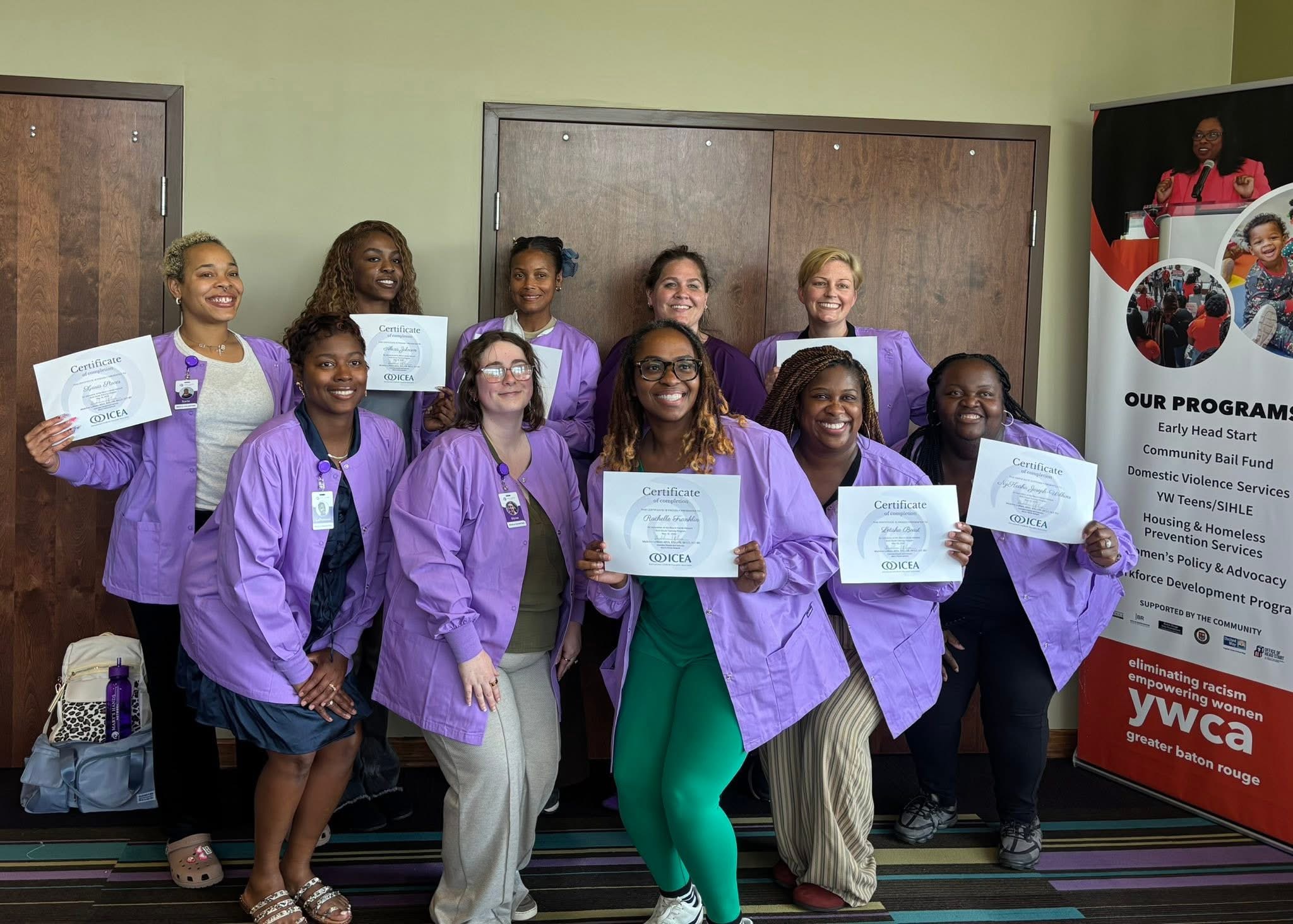
On what stays with themHands-on practice, classroom instruction, and a network of women who show up for each other.


MHN graduates follow ICEA’s traditional Birth Doula Pathway. You never work alone: two-doula teams, staff coordinator support, hospital privileging, and free ICEA exam prep for active volunteers.
Pre-work, all live sessions, and skills check-offs.
Attend a minimum of three births of at least six hours each.
Package your evidence and submit through ICEA’s pathway.
Sit for the proctored ICEA exam (separate fee, paid to ICEA).
Grading is Pass/Fail. Complete all pre-work, attend every live session (10% absence cap), and demonstrate required skills on instructor sign-off. You get two skills check-off opportunities, first on Day 1 (comfort measures), final on Day 2 (all skills). If you don’t pass by Day 2, you’ll retake the full course.
Refunds. Exceeding the attendance cap without excused absence requires a full course retake. Refunds are at administrator discretion for documented medical, family, or professional emergencies.
Twenty seats. Scholarships available. Applications close June 16, 2026. Scholarship interviews completed by July 1.
Application coming soonQuestions? Get in touch · Need a doula? Apply for one